

Jet-A1: Definition, Characteristics, and Uses
Introduction
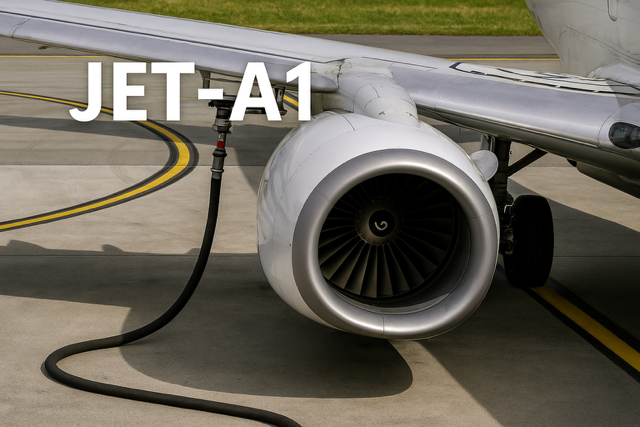
Jet-A1 is a critical aviation fuel used in commercial and military aircraft powered by gas-turbine engines. As the most widely used jet fuel globally, it plays a pivotal role in air transportation. This article delves into Jet-A1’s definition, technical specifications, production process, and its various applications.
What is Jet-A1?
Jet-A1 is a kerosene-based aviation fuel standardized by international specifications. It is designed for turbine-engine aircraft, such as commercial airliners and military jets. Compared to Jet-A, Jet-A1 has a lower freezing point, making it suitable for long-haul flights at high altitudes.
Key Characteristics
- Appearance: Clear to straw-colored liquid.
- Freezing Point: Maximum −47°C (compared to −40°C for Jet-A).
- Flash Point: Minimum 38°C.
- Density: 0.775 to 0.840 kg/L at 15°C.
- Sulfur Content: Less than 0.30% by weight.
- Energy Content: Approximately 43 MJ/kg.
These specifications are governed by international standards such as ASTM D1655 and DEF STAN 91-91.
How is Jet-A1 Produced?
- Distillation: Extracting the kerosene fraction from crude oil in a distillation tower.
- Hydrotreatment: Removing sulfur and impurities to meet cleanliness standards.
- Additive Blending: Incorporating antioxidants, static dissipaters, and other additives to enhance performance and safety.
Stringent quality control is essential to ensure fuel stability and safety during flight.
Applications of Jet-A1
- Commercial Aviation: Used by most international and domestic airlines.
- Military Aircraft: Compatible with many turbine-powered military aircraft.
- Helicopters: Powers turbine-powered helicopters.
- Ground Testing: Utilized in engine testing for aerospace engineering.
Its versatility makes Jet-A1 a critical component of global logistics and defense operations.
Safety and Environmental Considerations
- Storage: Requires specialized systems to minimize fire hazards.
- Grounding: Prevents static electricity discharges during refueling.
- Fire Suppression: Airports and refueling stations are equipped with fire suppression systems.
Environmental concerns include CO₂ emissions and potential groundwater contamination during spills. Advances in bio-jet fuels and synthetic alternatives are being explored to mitigate ecological impact.
Jet-A1 vs. Other Jet Fuels
- Jet-A: Similar but with a higher freezing point, primarily used in the U.S.
- JP-8: Military-grade fuel with additional additives.
- Bio Jet Fuels: Emerging alternatives blended with traditional Jet-A1 to reduce carbon footprint.
Conclusion
Jet-A1 is a vital aviation fuel supporting commercial air travel, military operations, and emergency services worldwide. Understanding its properties, safety requirements, and global applications is crucial for a reliable supply chain.
At A&B Impex, we leverage deep expertise to supply high-quality Jet-A1 meeting international standards. Contact us at www.aandbimpex.com for dependable aviation fuel solutions.